
Why do most investors lose money in the stock market? Psychology, herd behavior, emotions, and buying and selling price mistakes explained simply.
Investing in the stock market seems simple on paper. Buy good companies, let time do its work, collect the returns. Yet in reality, the majority of investors lose money or significantly underperform the markets.
This paradox does not come from a lack of intelligence or financial knowledge. It almost always comes from the same place: psychology.
The stock market does not punish those who lack information. It punishes those who react poorly to their emotions.
The stock market is not just a market, it is an emotional test.
Financial markets are not rational at all times. They reflect the collective emotions of investors. Euphoria when everything is rising. Fear when everything is falling.
During these phases, investors no longer calmly analyze the value of an asset. They react to what they feel. And it is precisely these emotional reactions that lead to the most costly decisions.
Volatility is not the problem. How investors react to it is.
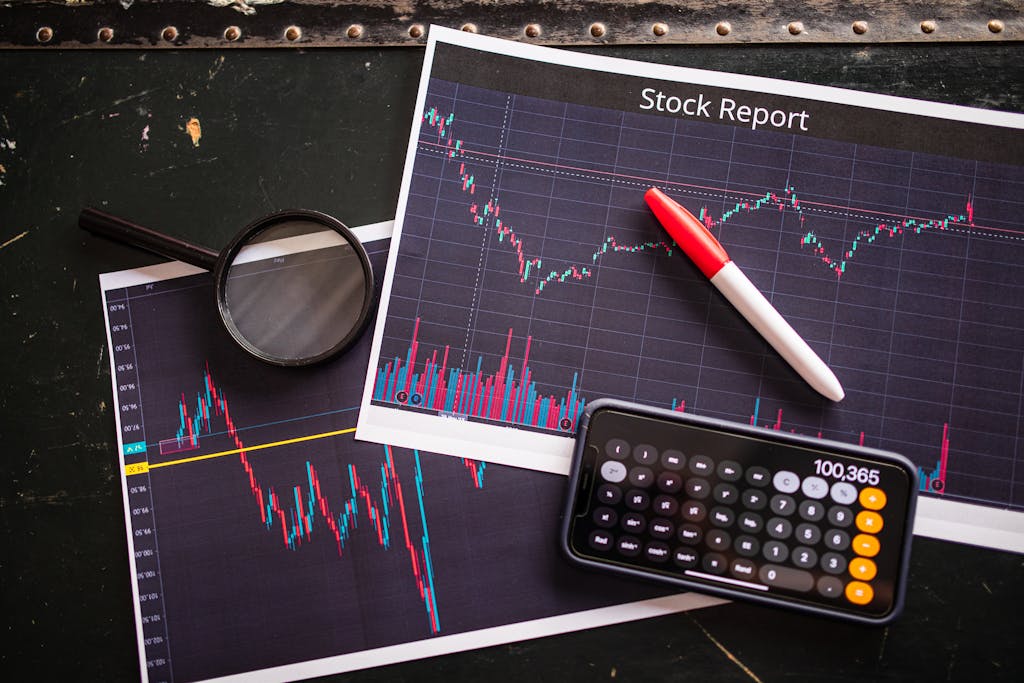
Understanding one essential thing: the price paid and the price sold
For a beginner investor, it is crucial to understand a simple but fundamental rule:
an investment always comes down to a purchase price and a selling price.
Let’s take a concrete example.
A stock has been rising for several months. The media are talking about it, past performance looks impressive, and the overall sentiment is positive. Reassured by this context, the investor buys the stock at $100.
Then the market corrects. The stock falls to $80. The portfolio turns red. Fear sets in. The investor sells to “limit the damage.”
The outcome is purely mechanical.
He paid $100 and sold at $80.
The loss is real and final, even though the company still exists.
This pattern alone explains why so many investors lose money without ever investing in bad companies.
Why buying at the top feels reassuring
When markets are rising, optimism dominates. Buying at that moment creates a feeling of safety. Everything seems fine, everything is going up, and risks feel distant.
The brain extrapolates recent performance and assumes the upward trend will continue. In reality, the more popular an asset becomes, the more its price is often already elevated. Future upside shrinks while risk increases.
Buying at a high price is not a strategy. It is often an emotional reaction disguised as a rational decision.
Why selling at a loss brings relief… but destroys performance
On the other hand, when markets fall, psychological pain takes over. Seeing a portfolio in the red triggers intense stress. Selling creates the feeling of regaining control.
But financially, selling at a loss means locking in a loss that was often temporary. The market may recover, but the investor is already out.
This behavior is well documented in behavioral finance, particularly through the concept of loss aversion, explained in detail by well-known educational resources such as Investopedia, which shows why the fear of losing pushes investors to make poor decisions.
The herd effect: the collective trap
Humans are social creatures. In times of uncertainty, they observe the behavior of others to feel reassured.
In the stock market, this creates the herd effect. When everyone is buying, staying on the sidelines becomes uncomfortable. When everyone is selling, staying invested feels dangerous.
Yet markets often operate in opposition to the consensus. Periods of widespread fear often correspond to more attractive prices. Periods of collective euphoria frequently coincide with excesses.
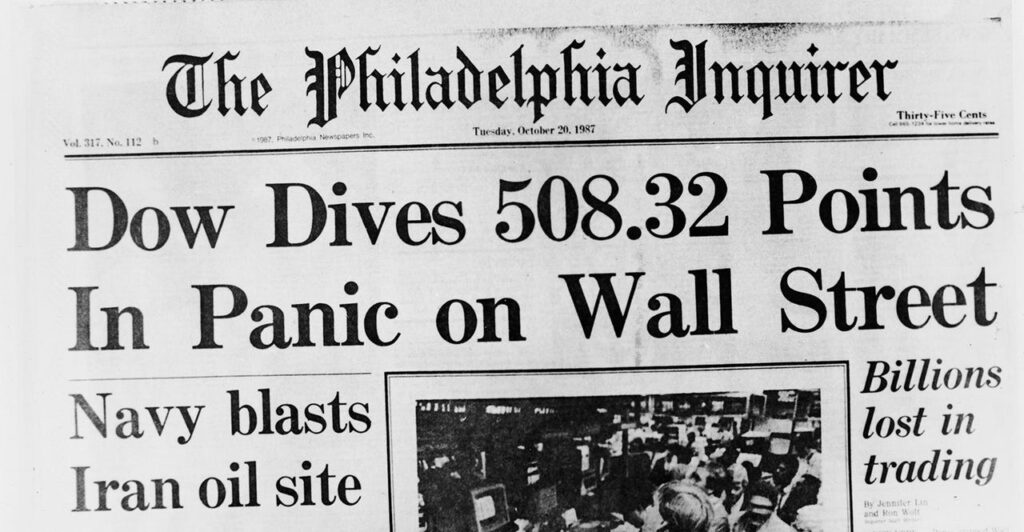
Bubbles and market crashes are rarely technical accidents. They are above all collective psychological phenomena.
The psychological blocks behind poor decisions
These repetitive behaviors are not specific to the stock market. They are often linked to deeper internal mechanisms: fear of loss, the need for validation, difficulty tolerating uncertainty, or difficulty trusting time.
These invisible blocks influence financial decisions without the investor being aware of them. To explore this dimension further, this complementary article helps better understand these internal barriers:
The psychological blocks that prevent you from breaking free and how to recognize them in order to finally move forward
Working on these aspects is often just as important as learning how to read a financial statement.
Patience as an underestimated competitive advantage
Patience is a major advantage in investing. It requires neither exceptional intelligence nor privileged information.
Being patient means accepting that markets do not move upward in a straight line. It involves going through periods of doubt, decline, and sometimes boredom without questioning one’s entire strategy.
The investors who succeed the most are rarely the most active. They are the ones who know how to stay still when emotions push them to act.
As Warren Buffett has often said, the stock market transfers money from the impatient to the patient.
What long-term data shows
Research on investor behavior shows that excessive activity harms performance. Investors who react the least to media noise and short-term market fluctuations generally achieve better results.
The CFA Institute regularly highlights the impact of behavioral biases on investors’ real performance and emphasizes that emotional discipline is a key factor in long-term success.
Conclusion
The majority of investors do not lose money because they choose bad assets, but because they buy and sell at the wrong time, under the influence of their emotions.
Buying at the top and selling at a loss is a simple mistake to understand, but a difficult one to avoid without mental discipline. Those who learn to recognize the herd effect, accept discomfort, and let time work in their favor gain a decisive advantage.
In the stock market, real performance begins long before a chart. It begins in the mind.
Because collective euphoria creates an illusion of safety and pushes investors to buy when prices are already high.
Because selling turns a temporary loss into a permanent one, often triggered by fear.
It is the tendency to follow the behavior of the group, even when it leads to irrational decisions.
Yes. Patient investors avoid emotional mistakes and benefit from time and compound interest.
By investing with a clear strategy, accepting volatility, and avoiding emotional reactions.
2 Comments